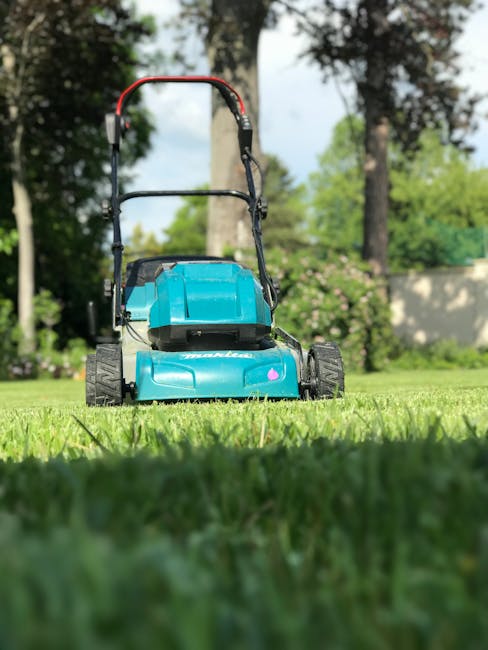
If you are looking for affordable garden maintenance quotes E14 Docklands, you are probably trying to solve two things at once: keep the garden looking good, and keep the cost sensible. Fair enough. In a busy part of East London, gardens can slide from tidy to tangled surprisingly fast, especially when work, weather, and everyday life all get in the way.
The good news is that getting a clear quote does not have to be stressful or vague. A good quote should explain what is included, how often the work will happen, and where the value sits. It should also be realistic. Not suspiciously cheap, not padded with extras you never asked for. In this guide, we will break down how garden maintenance pricing usually works in E14 Docklands, what affects the cost, how to compare offers, and how to avoid the common traps that catch homeowners, landlords, and property managers out.
For broader service context, you may also find the services overview and pricing and quotes pages useful while you weigh up options.
Why Affordable garden maintenance quotes E14 Docklands Matters
Garden maintenance is one of those things that seems easy to postpone, until suddenly the lawn is patchy, hedges are pushing over the path, and the borders look like they have had a rough winter. In E14 Docklands, where many gardens, terraces, shared spaces, and courtyard plots are compact, small issues can become visible fast. A tidy outside space affects how a property feels from the street, how usable it is day to day, and even how well it supports the rest of the home.
Affordable garden maintenance quotes matter because a quote is more than just a price. It is a decision-making tool. A clear quote helps you compare routine upkeep against one-off jobs, understand what labour and materials are included, and avoid paying over the odds for work that should be straightforward. To be fair, most people do not want the cheapest possible gardener. They want consistent, good-value work that does not become a headache later.
There is also the trust factor. If a provider cannot explain how they arrived at a price, that is usually a small warning sign. A proper quote should reflect the actual size of the space, the condition of the garden, access challenges, frequency of visits, and the level of care required. In an area like Docklands, that might also include awkward access, communal entrances, roof terraces, limited storage for tools, or the need to work around neighbours. Nothing dramatic. Just the usual real-world stuff that changes the final figure.
Many readers start with routine work such as garden maintenance, then add specific tasks like lawn mowing or hedge trimming when the garden needs a bit more attention. That is often the simplest way to stay on top of costs without letting things drift.
How Affordable garden maintenance quotes E14 Docklands Works
The quoting process is usually simpler than people expect, but the quality of the quote depends on the quality of the information you give. A gardener or garden maintenance company will normally want to know the garden size, the current condition, what tasks you need, how often you want the work done, and whether there are any access or waste disposal issues. The more specific you are, the more accurate the quote will be.
Here is the basic flow. First, you describe the work. That might be a one-off spring tidy, regular mowing and edging, hedge cutting, leaf clearance, or a full seasonal maintenance plan. Then the provider assesses the site, either from photos, a video call, or an in-person visit if needed. After that, they price the labour, time, materials, and any extras such as green waste removal or specialist equipment. Simple enough. But the detail matters.
In practice, quotes can be structured in a few ways:
- Fixed-price quotes for clearly defined jobs, such as a one-off clearance or a set list of tasks.
- Hourly or day-rate pricing for gardens where the amount of work is harder to predict.
- Scheduled maintenance plans for recurring visits, often better value over time if the garden needs regular care.
A decent quote should say what happens if the job turns out to be larger than expected. For example, if a hedge hides a lot more growth than the photos suggested, or a border has been neglected for months, the quote may need an adjustment. That is normal. The key thing is that you know the process before work starts, not half-way through when everybody is already holding a rake and looking mildly tired.
Key Benefits and Practical Advantages
There are several solid reasons to ask for a properly scoped quote rather than choosing a gardener on price alone. The first is budget control. When you know what is included, you can plan your spend across the season instead of reacting to every little problem. The second is consistency. A well-structured maintenance plan keeps the garden in check, which usually means less remedial work later. And less remedial work usually means lower costs. Funny how that works.
Another practical advantage is time. People often underestimate how long repetitive garden jobs take, especially when they involve clipping, bagging, sweeping, and disposal. If you are juggling work, family, or a landlord portfolio, outsourcing maintenance can free up a lot of mental space. There is a real difference between seeing a healthy garden and knowing you do not have to spend your Saturday morning wrestling bindweed.
Affordable quotes are also valuable because they make comparison possible. If one quote includes mowing, weeding, hedge trimming, and waste removal, while another only covers mowing, the cheaper number is not necessarily better. Comparing like with like is the whole game. Otherwise you are comparing apples with half a wheelbarrow, which is not much help to anyone.
For larger or more seasonal jobs, it can help to combine services intelligently. For example, a maintenance visit may sit alongside garden clearance if the plot has become overgrown, or connect with landscaping or landscape gardening if you are improving the layout at the same time.
Who This Is For and When It Makes Sense
This kind of quote is useful for more people than you might think. Homeowners with modest gardens, landlords trying to keep a rental presentable, managing agents overseeing communal outdoor spaces, and businesses with small external areas all have slightly different needs, but the same basic problem: the outside space needs to stay manageable without costing the earth.
It makes sense to seek quotes if any of these situations sound familiar:
- The garden has become harder to keep up with after a busy period or a move.
- You need regular visits rather than a one-off rescue job.
- The lawn, hedges, or borders are taking longer to manage each month.
- You want to compare gardeners before committing to a schedule.
- You are preparing a property for sale, letting, or inspection.
There is also a timing angle. Spring and early summer can be hectic, because growth takes off and everyone notices the garden at once. Autumn brings leaf fall and clean-up work. Winter can be quieter, but it is often the best moment to sort out planning, heavier clearance, and longer-term maintenance arrangements. In short, you do not need to wait until the garden looks rough. Actually, waiting usually makes the job more expensive.
Some people prefer to start with a simple maintenance cycle and build from there. That is sensible. If your outdoor space also includes features like timber structures or hard landscaping, you may want to look at decking services as part of the wider upkeep picture, because gardens rarely exist in neat little boxes.
Step-by-Step Guidance
If you want the best chance of getting an affordable, accurate quote, follow a process rather than sending a vague message that says, "How much for the garden?" It is understandable, but it rarely produces a helpful answer.
- List the tasks you actually need. Mowing, hedge cutting, weeding, pruning, edging, leaf clearance, planting tidy-up, waste removal. Be specific.
- Take clear photos in daylight. Try to show the full space, the tricky areas, and any overgrowth. A photo taken at dusk under a grey sky tends to hide more than it reveals.
- Note access details. For example, side access, communal gates, lift access for roof terraces, parking limits, or narrow pathways.
- Decide on frequency. One-off, fortnightly, monthly, or seasonal. Regular visits often reduce the cost of getting the garden back under control each time.
- Ask what is included. Is waste removal included? Are materials included? Is hedge height relevant? Does the quote cover tidying as well as cutting?
- Check whether the price is fixed or estimated. A fixed quote gives certainty. An estimate may shift if the scope changes.
- Compare scope, not just price. A properly detailed quote should make it obvious what you are paying for.
If a provider offers to inspect the site before confirming the price, that is usually a good sign. Not always necessary for tiny jobs, but often helpful for anything with access quirks or a lot of growth. You can also ask whether the team handles related work such as lawn mowing or more specialist tree lopping and removal where required. Even if you do not need that now, it helps to know what can be bundled sensibly later.
Expert Tips for Better Results
From experience, the best value usually comes from planning maintenance before the garden becomes a mess. A garden that is lightly maintained every few weeks is far cheaper to manage than one that gets a heroic rescue once a year. That is not just a budgeting point. It also means the garden looks better for longer, with less disruption.
Here are a few practical tips that make a real difference:
- Ask for seasonal pricing options. Some gardens need more work in spring and summer and less in winter.
- Bundle related jobs. One visit for mowing, edging, and hedge trimming can be more efficient than three separate call-outs.
- Keep notes on what changes from visit to visit. It helps the provider price future work more accurately.
- Choose realistic intervals. If the grass grows quickly, monthly mowing may not be enough. You end up paying twice anyway.
- Clarify waste handling. Green waste can look harmless, but it affects time and disposal costs.
One small but useful trick: if your garden is shared, put the schedule in writing for all relevant people. That avoids the classic "who booked the gardener?" moment. We have all seen that one. In apartment-led streets and mixed-use developments, a tiny communication gap can turn into a slightly awkward Tuesday morning.
Also, think beyond the obvious tidy-up. If the space drains poorly, has tired soil, or needs rebalancing after years of patchy care, a quote that allows for gradual improvement can deliver better long-term value than a quick cosmetic fix. That is where maintenance and improvement begin to overlap nicely.
Common Mistakes to Avoid
People often focus on the headline number and miss the details. That is the biggest mistake, and it is an easy one to make. A very low quote can be fine if the scope is tiny. But if it looks far lower than other quotes for a similar job, ask why. Sometimes it excludes waste removal, pruning, or even the final tidy-up. Sometimes it is simply an estimate that has not been well thought through.
Other common mistakes include:
- Not giving enough detail. If the provider cannot see the full scope, the quote may be misleading.
- Comparing different service levels. A "maintenance visit" and a "garden tidy" are not always the same thing.
- Ignoring access issues. Parking, stairs, narrow entrances, and gate codes all matter.
- Forgetting about waste. Waste disposal can change the practical cost quite a bit.
- Choosing price over reliability. Cheap work that needs redoing is not cheap in the end.
There is also the mistake of leaving a garden untouched for too long and then expecting a small quote. Truth be told, overgrown spaces take time. Brambles, self-seeded saplings, clogged borders, and long grass all add labour. A gardener is not being difficult by pricing that fairly; they are being honest.
If the garden has gotten into a truly heavy state, it may be worth asking whether garden clearance is the better first step, followed by a maintenance plan once the space is back under control.
Tools, Resources and Recommendations
You do not need specialist knowledge to request a good quote, but a little preparation goes a long way. The most useful resource is simple: a clear record of what your garden looks like now, and what you want it to look like after the work. A few photos, a short checklist, and a sense of frequency are usually enough to get things moving.
If you are comparing options, these pages can help you understand the wider service mix before you make a decision:
- garden maintenance for ongoing upkeep
- lawn mowing for grass care
- hedge trimming for boundary and shape control
- garden clearance for neglected or overgrown areas
- recycling and sustainability if waste handling matters to you
For trust and process questions, it can also be useful to review about us, insurance and safety, and payment and security. Those pages help you understand how a provider works, what standards they follow, and how they handle practical concerns. That sort of information may not sound thrilling, but it matters when you are inviting someone to work around your home.
One more practical recommendation: keep your own rough maintenance notes. Nothing fancy. Just a few lines after each visit: what was done, what still needs attention, what grew back quickly, what access issue cropped up. It makes future quotes sharper and keeps everyone on the same page.
Law, Compliance, Standards and Best Practice
Garden maintenance is not usually a heavily regulated service in the same way as some construction or trade work, but there are still important expectations around safety, professionalism, and responsible waste handling. In the UK, a good provider should be careful with tools, respectful of neighbours, and sensible about what can be completed safely on site.
Best practice usually includes:
- Safe use of equipment such as mowers, hedge cutters, and pruning tools.
- Clear communication about scope, timing, and any changes to the quote.
- Reasonable handling of waste and recycling where possible.
- Appropriate insurance and safety awareness for work carried out at domestic or managed properties.
- Respect for boundary lines, shared access, and neighbour considerations in compact London settings.
If a garden includes larger trees or any work that could become hazardous, extra caution is sensible. It may move beyond routine maintenance and into specialist work, which is why some customers choose a provider that can also handle tree lopping and removal when needed. For anything uncertain, ask the question upfront rather than assuming it is included.
There is also a simple ethical standard worth mentioning: do the work safely, do it honestly, and do not leave the customer guessing. That alone separates dependable services from rushed ones. In a city as tightly packed as London, those basics are not a bonus. They are the job.
Options, Methods and Comparison Table
Different gardens need different pricing approaches. The cheapest method is not always the best fit, and the most comprehensive service is not always necessary. A smart quote matches the method to the problem.
| Approach | Best for | Typical strengths | Possible drawback |
|---|---|---|---|
| One-off tidy-up | Post-neglect gardens, pre-sale prep, seasonal reset | Fast way to restore order | Can be more expensive than routine care over time |
| Regular maintenance plan | Homes, flats, and managed gardens that need steady upkeep | Usually better value, more consistent appearance | Needs commitment and scheduling |
| Task-based quote | Clear jobs like mowing, hedge trimming, or pruning | Easy to compare and budget | Can miss wider garden issues if too narrow |
| Site-based estimate | Complex gardens with access problems or mixed tasks | More accurate for unusual layouts | May change after inspection if scope expands |
If you are unsure which route to take, start with the garden's current condition. If it is manageable and you simply need consistent upkeep, maintenance is usually the best-value choice. If the space has slipped badly, start with clearance first and then switch to ongoing care. Simple. Not always easy, but simple.
Case Study or Real-World Example
Imagine a small E14 terrace garden with a narrow side return, a patchy lawn, two medium hedges, and borders full of fallen leaves after a damp autumn. Nothing extreme. Just the sort of space that looks fine from a distance but takes more work than you first expect. The homeowner wants it presentable before guests come over and also wants to stop it getting away from them again.
The first quote request includes photos, notes on access, and a short list: mow lawn, trim hedges, weed borders, sweep paving, and remove green waste. That gets one fairly clear fixed quote. A second quote, however, is just a message asking for "general gardening," with no photos and no mention of waste removal. The result is a vague estimate that looks cheaper at first glance but does not really compare.
In a case like this, the better value is usually the clearer quote, not the smaller number. Why? Because the job gets done properly the first time, and the provider can plan the visit more efficiently. The homeowner then sets up regular maintenance every few weeks during the growing season, which keeps the garden neat without needing another big reset. Not glamorous, but very effective.
A slightly larger shared courtyard might follow a similar pattern, with a maintenance package built around lawn mowing and hedge trimming, plus occasional deeper work when the seasons change. That is usually how the most affordable long-term arrangements happen: by keeping the work small enough that it never becomes a crisis.
Practical Checklist
Use this checklist before you ask for quotes or compare offers.
- Take recent photos of the whole garden in daylight.
- Write down the exact tasks you need.
- Note any access, parking, or storage restrictions.
- Decide whether you need one-off work or regular maintenance.
- Ask whether waste removal is included.
- Check whether the price is fixed, estimated, or hourly.
- Compare the actual scope of each quote, not just the headline price.
- Ask about related services if the garden needs a wider tidy or refresh.
- Confirm how scheduling, payment, and changes to scope are handled.
- Keep a copy of the quote for future reference.
If you need a provider with a clear approach to process and customer care, you may also want to review the terms and conditions, complaints procedure, and contact us page before going ahead. Not because you expect trouble. Just because sensible people check the basics.
Get a free quote today and see how much you can save.
Conclusion
Affordable garden maintenance quotes E14 Docklands are really about balance: fair pricing, clear scope, and work that keeps the garden healthy without creating avoidable costs later. If you compare quotes carefully, ask the right questions, and focus on value rather than the cheapest figure alone, you stand a much better chance of getting a result that feels worth it every single time you look out of the window.
The best gardens are usually the ones that are cared for steadily, not rescued in panic. That is especially true in London, where outdoor space can be limited and every square metre counts. A tidy, maintained garden is not just prettier. It is easier to live with, easier to enjoy, and far less stressful to manage. And honestly, that is what most people want at the end of the day.
When you are ready, take the first step with a clear brief, a few honest photos, and a realistic idea of what you want done. The rest tends to fall into place.
Frequently Asked Questions
How do I get affordable garden maintenance quotes in E14 Docklands?
Start by listing the exact tasks you need, taking clear photos, and explaining how often you want the work done. The more detail you provide, the more accurate and affordable the quote is likely to be.
What affects the price of garden maintenance the most?
Garden size, current condition, access, frequency of visits, waste removal, and whether the job is one-off or ongoing all have a strong effect on price. A neglected garden usually costs more than a well-kept one.
Is a fixed quote better than an hourly rate?
It depends on the job. Fixed quotes are often easier to budget for when the work is clearly defined. Hourly rates can be useful when the scope is less certain, but they need good communication to avoid surprises.
Should waste removal be included in the quote?
Ideally, yes, or at least it should be clearly stated if it is not included. Green waste disposal can change the final cost, so it is better to confirm this before any work begins.
How often should garden maintenance be done?
That depends on the garden and the season. Many spaces do well with fortnightly or monthly visits during active growing periods, then less frequent care in quieter months. The right schedule is usually the one that prevents bigger problems later.
Can I combine mowing, hedge trimming, and clearance in one visit?
Yes, and that is often more efficient. Bundling related tasks can improve value because the gardener only needs one visit, one setup, and one tidy-up at the end.
What if my garden is badly overgrown?
In that case, ask whether a clearance visit is needed first. Once the space is back under control, it is much easier to move into a regular maintenance plan that stays affordable.
How do I compare two garden maintenance quotes properly?
Compare the scope, frequency, waste handling, and any extra charges, not just the headline price. A quote that looks slightly higher can be better value if it includes more of the work you actually need.
Do I need to be home when the gardener visits?
Not always, but it can help for the first visit or when access is tricky. If the provider has clear instructions and safe access, many maintenance jobs can be completed without you being present.
What should a good garden maintenance quote include?
A good quote should state the tasks included, the visit frequency, whether materials or waste removal are covered, the pricing method, and any assumptions about access or garden condition.
Can regular maintenance save money over time?
Usually, yes. Small, regular visits tend to cost less than letting a garden become heavily neglected and then paying for a large recovery job. Preventive care is often the more economical choice.
Where can I learn more about related services?
You can read more about garden maintenance, garden clearance, and pricing and quotes to understand how different jobs are typically approached and priced.